Food for Thought: The art of smokehouse cooking
Published on:
November 23, 2026








The popularity of smokehouse cooking is perhaps as old as mankind. A smokehouse, or smokery, is any building or makeshift container where meat or fish is cured. But remember, we are not limited to fish and meat. With the proper skill, cheeses, nuts and even certain vegetables can be smoked.
There are various components to smokehouse cooking, and all are important. Let's start with the smokehouse or unit itself. Here, I believe we have the most flexibility. You really don't have to own a building to have a smokehouse. In a pinch, even a large cardboard box will suffice. There are various smokers on the market, even electric ones. I'm not a big fan of those. I am more of an old-school kind of guy.
Many years ago, I had an old friend of mine build me my very own old-fashioned smokehouse. Carved fieldstones for the foundation, lined with firebricks. The walls were all hand-cut T-111 rough-cut wood, with a cedar shingle roof and an iron stovepipe with a ventilated top. The interior has metal racks and a couple of meat hooks for hanging larger cuts of meat.
The inside walls have a great patina color to them, no doubt from layers of smoke residue from years of smoldering shagbark hickory, applewood, cherry and Concord grapevines. It even has a rack to place a water pan to prevent flare-ups and generate steam as needed. You can also use herbed water, wine, beer and so on.
Let's talk about the heat. I always start a fire with real charcoal, not briquettes, which contain chemicals and binding agents. You want the charcoal that looks like burnt pieces of wood. I start the fire with twigs and a little paper, not starter fluid. Again, chemicals.
When the coals are 50% white, I begin with the wood. I soak the large pieces of wood, usually overnight. Remember, you want this to smolder, not burn up. Place the wood directly on the coals. As it smolders away, replace the pieces for as long as required, depending on the item being smoked. Keep the smoke confined. Oxygen from an open door will stoke the flames. You do not want that.
The products you smoke can be prepped, brined or seasoned, depending on your tastes. Sometimes, just as they are will do. As much as I like to limit my salt intake, I do admit to generally lightly salting the items I am going to smoke. The sea salt enhances the flavor, but it also draws out excess water from the product, aiding in the smoking process.
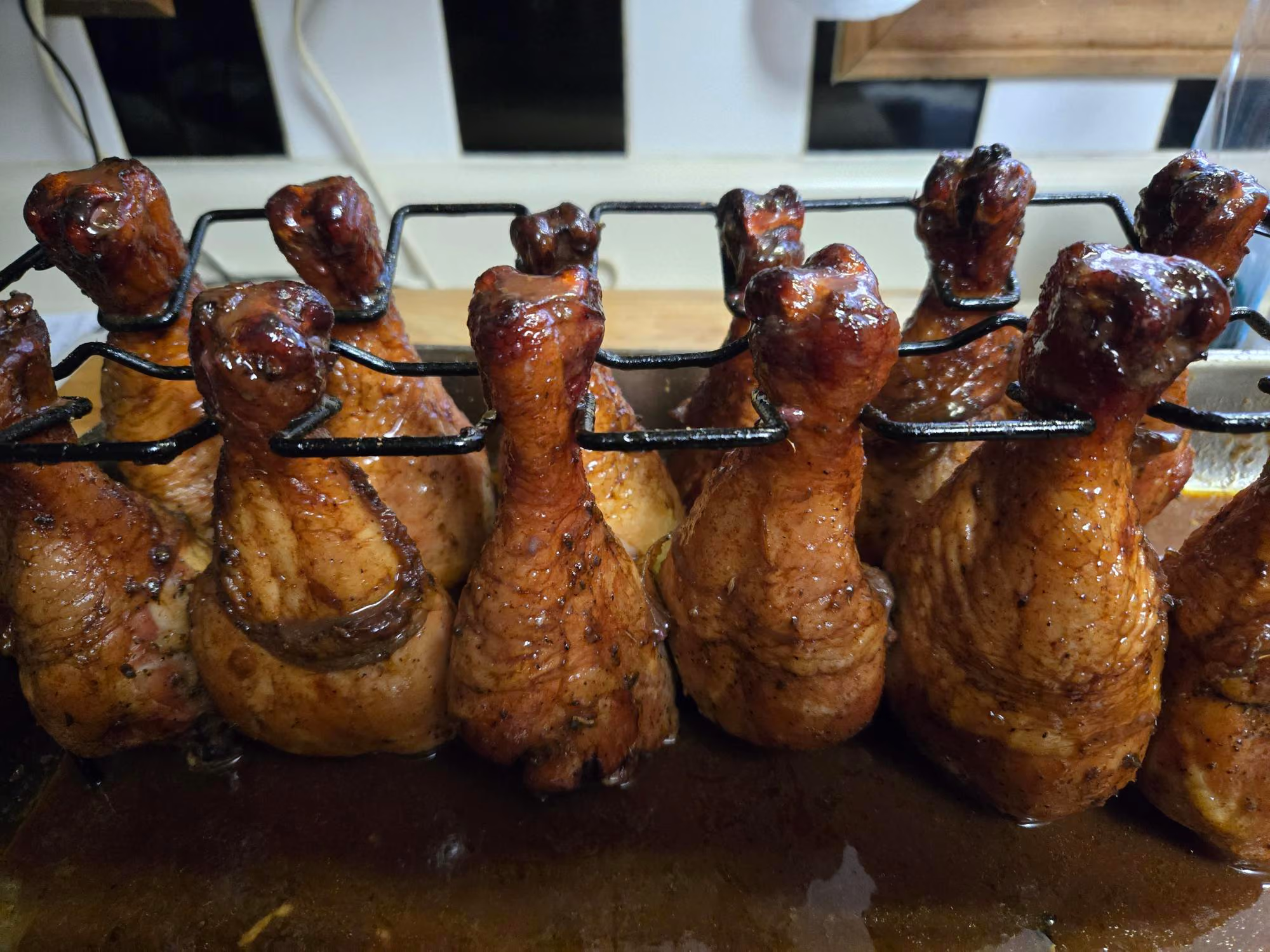
If smoking a pork product, brining is a great way to prepare your meat for the smoking process. Poultry can be brined, especially a turkey, but it is not necessarily required. I love to give my chicken a light smoke, then finish it with a basted sauce and into the oven or BBQ.
Items such as trout, nuts and small cuts like pork chops do not require a long smoking time, unlike fresh hams, pork loins or pork shanks.
The general rule of thumb is this: The more surface area on the product you are smoking, the less time required in the smokehouse. Fresh hams, whole turkeys, racks of pork or beef ribs, etc., require more time.
My smokehouse is quite large. I needed a big unit in order to serve a large catered party. The standard store-bought Brinkmann wasn't going to cut it. When I fire up the smokehouse, I will usually do several items at the same time and, if necessary, freeze them for later use.
Smokehouse cookery is a great way to add another dimension to your culinary repertoire. Smoking infuses great flavor without the added spices. This is a great time of year to fire up the smokehouse. The cooler temperatures of late fall aid in maintaining the process, as well as put us in the mood for something smoky and earthy in flavor.
Smoking food is an art of patience, where time, wood and fire transform simple ingredients into rich masterpieces.
The day after you have used your smokehouse is the best, especially after it rains. You will detect the faint aroma of the process from the day before, and I will tell you, between the crisp dryness of the autumn air and that smoky aroma ... well, it is truly heaven.
That is food for thought.
Paul Ventura is a retired local chef. He is the owner operator of Ventura's Catering and Cheesecakes. A Greenville resident for almost 65 years and past food service director for the Greenville Central School District for 27 years. He has his education from GCS, AAS from Mohawk Valley CC, BA from SUNY Albany and continuing education degree from the CIA in Hyde Park. He has been in the food service industry for over 54 years.