Hinchey welcomes CVS breakup, pushes for stronger protections
Published on:
November 9, 2026







GREENE COUNTY—State Senator Michelle Hinchey is welcoming CVS Health's announcement that it plans to split its pharmacy business from its health insurance and prescription drug management operations, calling the move a positive development in the effort to curb corporate control over healthcare.
But the Saugerties Democrat, whose 41st Senate District includes Greene County, says the proposed breakup does not go far enough and is renewing her push for state legislation aimed at preventing large healthcare corporations from controlling multiple parts of the industry.
CVS Health announced Wednesday that it intends to separate into two independent, publicly traded companies by the first half of 2028, dividing its approximately 9,000 retail pharmacies from its health insurance and pharmacy benefit management businesses.
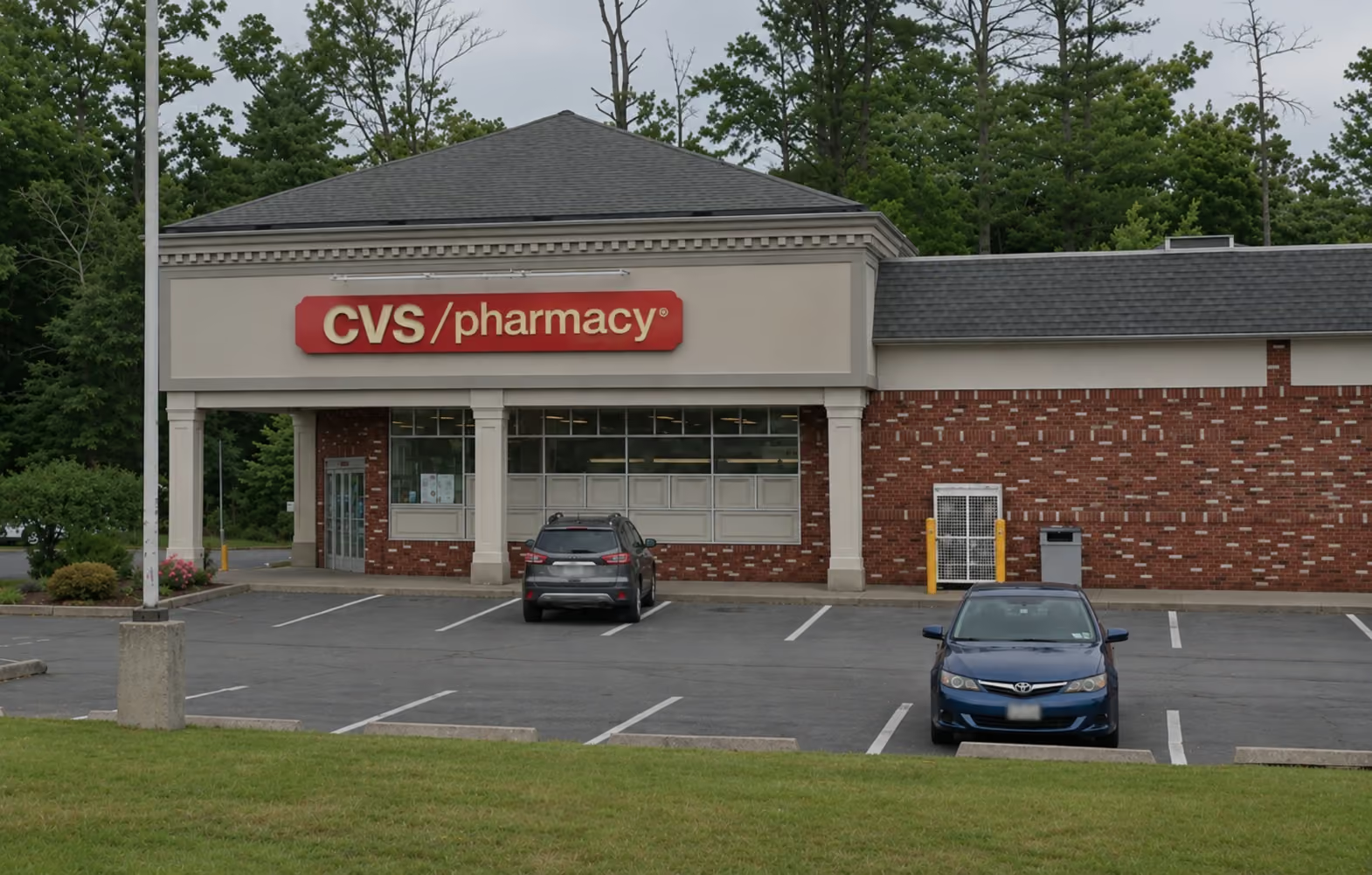
The restructuring is a corporate separation, not an announcement of pharmacy closures. CVS has not indicated that its retail pharmacy locations, including the one in Cairo, will close as a result of the plan. Customers are expected to continue filling prescriptions, accessing pharmacy services and receiving insurance benefits without interruption.
The announcement comes just two weeks after Hinchey and Assembly Member Jonathan Jacobson (D-Newburgh) introduced legislation designed to prohibit certain ownership arrangements between health insurers, pharmacies and pharmacy benefit managers, commonly known as PBMs.
"The CEO of CVS says state and federal proposals to break up healthcare monopolies influenced its decision to split itself up, to which I say—it's about time," Hinchey said in a statement Friday. "This is a positive development, but monopolies don't need a round of applause for doing the right thing."
The planned separation would partially reverse CVS's 2018 acquisition of health insurer Aetna, a deal valued at approximately $69 billion that brought one of the nation's largest insurance companies under the same corporate ownership as a nationwide pharmacy chain and a major prescription drug benefits manager.
At the time, CVS promoted the merger as a way to make healthcare more convenient and affordable by coordinating insurance coverage, prescription services and medical care.
However, the arrangement has since drawn increasing scrutiny from regulators and lawmakers concerned about competition, prescription drug prices and the financial pressures facing independent pharmacies.
Much of that concern centers on PBMs, companies that serve as intermediaries between health insurers, drug manufacturers and pharmacies. They negotiate prescription drug prices and rebates, manage drug coverage for insurance plans and determine how much pharmacies are reimbursed for medications.
Critics argue that when a corporation owns both a PBM and retail pharmacies, it creates potential conflicts of interest because the company may have a financial incentive to favor its own pharmacies over independent competitors.
A 2024 Federal Trade Commission report found that the nation's three largest PBMs, including CVS Caremark, managed approximately 79% of U.S. prescription drug claims in 2023.
Under CVS's proposed restructuring, its retail pharmacy operations, mail-order pharmacies and MinuteClinic locations would become a separate company called CVS Pharmacy.
Meanwhile, Aetna, CVS Caremark and several other healthcare businesses would remain together under the CVS Health name.
That distinction is significant because the breakup would not completely separate the insurance, prescription benefits management and healthcare services businesses that have been the focus of criticism.
CVS Chairman and CEO David Joyner said the decision followed a comprehensive strategic review and would allow the two companies to operate with greater flexibility and focus.
The company has also faced financial challenges in recent years, including rising medical expenses in its Aetna insurance business and increased competition in the retail pharmacy industry.
CVS considered a similar breakup in 2024 but ultimately decided against it. Improvements in the performance of its businesses have since made a separation more financially practical, according to industry analysts.
Under the proposed legislation, certain healthcare businesses would be required to divest ownership interests that create conflicts between health insurers, healthcare providers, pharmacies and PBMs. Supporters argue the restrictions would help restore competition and protect patient choice.
But Hinchey maintains that voluntary corporate restructuring is not a substitute for enforceable state laws.
"This merger should never have been approved in the first place and represents the worst type of healthcare consolidation, along with neglect by the federal regulators responsible for protecting this public good," she said.
"We cannot rely on corporations themselves to voluntarily fix a system that allows them to accumulate this much power over our healthcare. We need laws that restore competition and prevent these conflicts of interest from taking hold again,” Hinchey added.
Neither chamber of the state Legislature has passed the legislation. Hinchey said she intends to continue pursuing the measures when lawmakers return to Albany in January.