DEC reminds anglers to stay vigilant this ice fishing season
Published on:
January 20, 2026










The New York State Department of Environmental Conservation(DEC) reminds ice anglers to put safety first when venturing onto the frozen waters.
“Ice fishing is a great way to get outdoors, connect with nature, and make the most of the abundant winter fishing opportunities here in New York State,” said DEC Commissioner Amanda Lefton.
“As with any activity, practicing safety is key, especially when it comes to recreating on ice. With an earlier than usual start to ice fishing season, I urge anglers to practice extreme caution, especially when ice is only just forming,” she added.
Before going ice fishing or getting onto the ice for any reason, be mindful of ice safety guidelines, the most important of which is pre-determining if the ice is thick enough for your activity.
Here’s some tips to help you stay safe:
- Before venturing onto the ice, check the thickness of ice. Four inches of solid, clear ice is usually safe for anglers accessing ice on foot. However, ice conditions can vary between waterbodies and even within the same waterbody, increasing the need to ensure adequate ice thickness. Anglers should be particularly cautious of areas with moving water and around boat docks and houses where bubblers may be installed to reduce ice from forming.
- Checking the ice can easily be done with an auger or “spud bar” (a long, metal tool with a chisel on one end) at various spots. Local bait and tackle shops are great resources for finding out where there is safe ice and what anglers are catching. Fishing with a group is also encouraged for added safety.
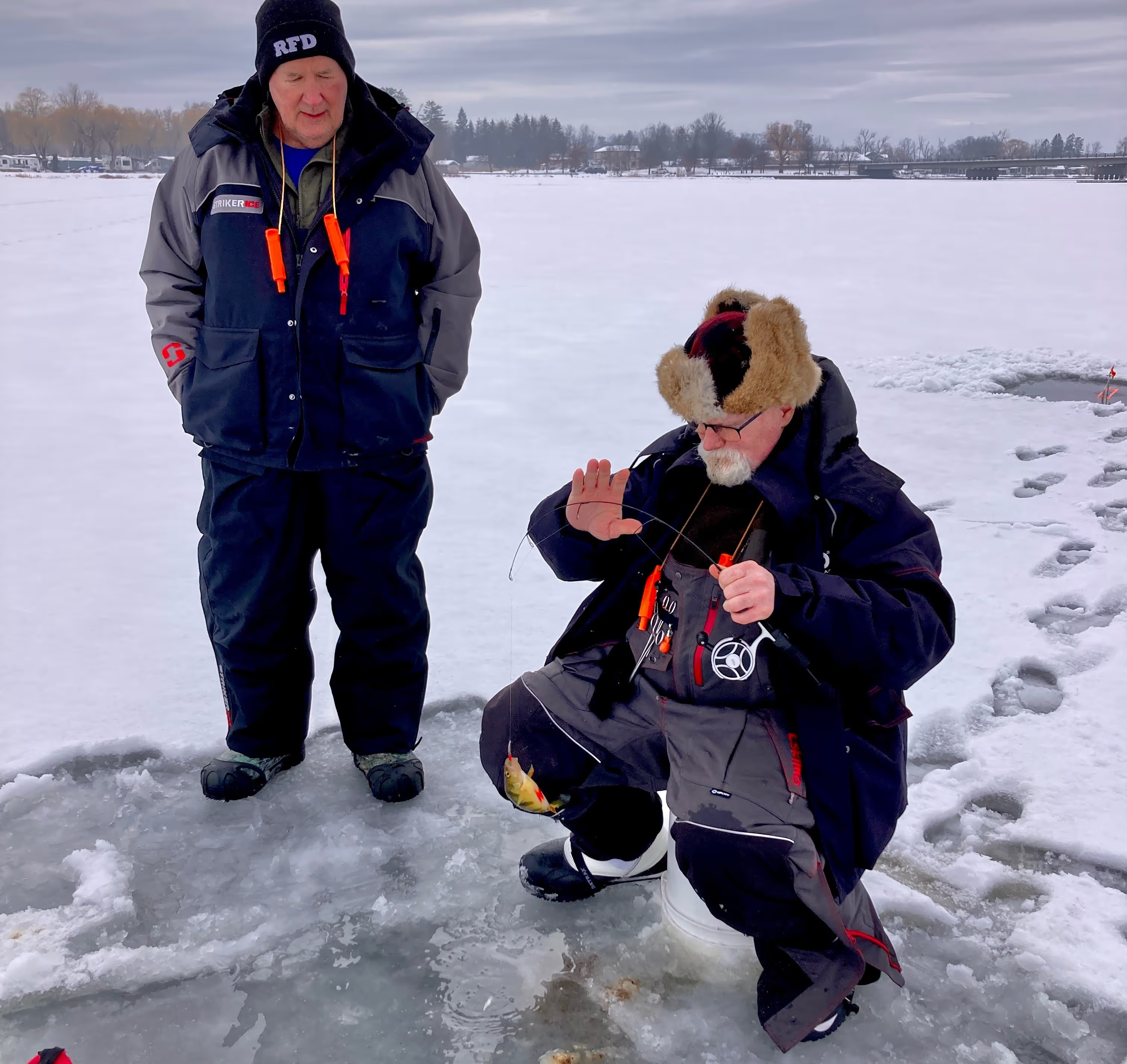
- Wear a personal flotation device (PFD), “float coat,” or similar commercially available buoyant clothing just in case
- Wear retractable ice picks hung around the back of your neck to aid in extricating yourself if you go through the ice. These can help grip wet, slippery ice and aid in getting yourself back up onto the ice surface
- Wear ice cleats. They can be strapped over insulated, waterproof boots to prevent falls while walking on slippery frozen surfaces
- Dress for the weather. Wear layers, a warm winter coat, hat, and waterproof gloves
- Wear waterproof pants or better yet, a waterproof bib like those made for ice fishing, or used for skiing or snowmobiling (this especially helps when kneeling on the ice to check tip-ups and bait etc.
- Use hand and boot warmers
- Wear polarized sunglasses. This isn’t just for comfort. Prolonged time on the ice in bright sunny conditions can lead to a form of temporary impairment of your vision similar to snow blindness
Those interested in trying ice fishing for the first time should mark the weekend of February 14–15 on their calendars. As a designated free freshwater fishing weekend, the freshwater fishing license requirement is waived during these days. Free Fishing Days are also a great opportunity for experienced anglers to introduce someone new to fishing.
For some fish species, ice fishing can be more productive than open-water fishing. Given good ice conditions, anglers normally limited to shore fishing can access an entire waterbody. Beginner ice anglers can download the Ice Fishing Chapter of DEC's I FISH NY Beginners Guide to Freshwater Fishing for helpful information on how to get started.
For a more interactive option, DEC released a series of six ice fishing videos on the agency's YouTube channel. Visit the playlist to checkout the brief instructional videos. Additional information, including a list of waters open to ice fishing, can be found on the DEC ice fishing webpage, and also through the Tackle Box feature in DEC's HuntFishNY app. With the app, fishing regulations, access information, fish species present, and more can be accessed from a map-based interface, all from the convenience of a smart phone.
The use of bait fish is popular when ice fishing and may be used in most, but not all, waters open to ice fishing. For more information on baitfish regulations visit DEC's website. To protect New York State's waters from invasive species and the spread of fish diseases, anglers are advised to take these critical steps when using baitfish while ice fishing:
Review and follow DEC baitfish regulations:
Ensure the use of baitfish is permitted in the waterbody by checking the special baitfish regulations by county section of the fishing regulations guide or by contacting your regional fisheries office;
Use only certified, disease-free bait fish purchased from a local tackle store. (Buyers must retain the receipt provided to them while in possession of the baitfish);
Personally collected bait fish may only be used in the same waterbody from which they were caught; and
Dump unused baitfish and water in an appropriate location on dry land.
DEC reminds anglers to make sure that they have a valid fishing license before heading out on the ice. Fishing licenses are valid for365 days from the date of purchase.
An interview about ice safety with Forest Ranger Ashly Carabetta is available here.
Remember, the idea of getting out on the ice to fish and for other recreation is to have fun, so be safe, follow guidelines, and take commonsense precautions before venturing out.
News and Notes
Save the Date for Upcoming Ice Fishing Event
The Annual Kid’s Fishing Derby at Tannersville Lake has tentatively been scheduled for Sunday, February 22. More details to follow.
Remember to report poaching violations by calling the 24-hour ECO Dispatch at 1-844-DEC-ECOS.
A resident of Durham, Larry is a retired captain with the New York State Department of Environmental Conservation.